Email:
info@leachechem.com

2 Thiophene Acetyl Chloride is a vital chemical intermediate widely used in the pharmaceutical, agrochemical, and fine chemical industries. Its reactive acetyl chloride group allows for versatile synthesis of various thiophene derivatives. This article explores its properties, applications, safety considerations, and sourcing options. Understanding the nuances of 2 Thiophene Acetyl Chloride is crucial for researchers and manufacturers alike seeking high-quality chemical building blocks.
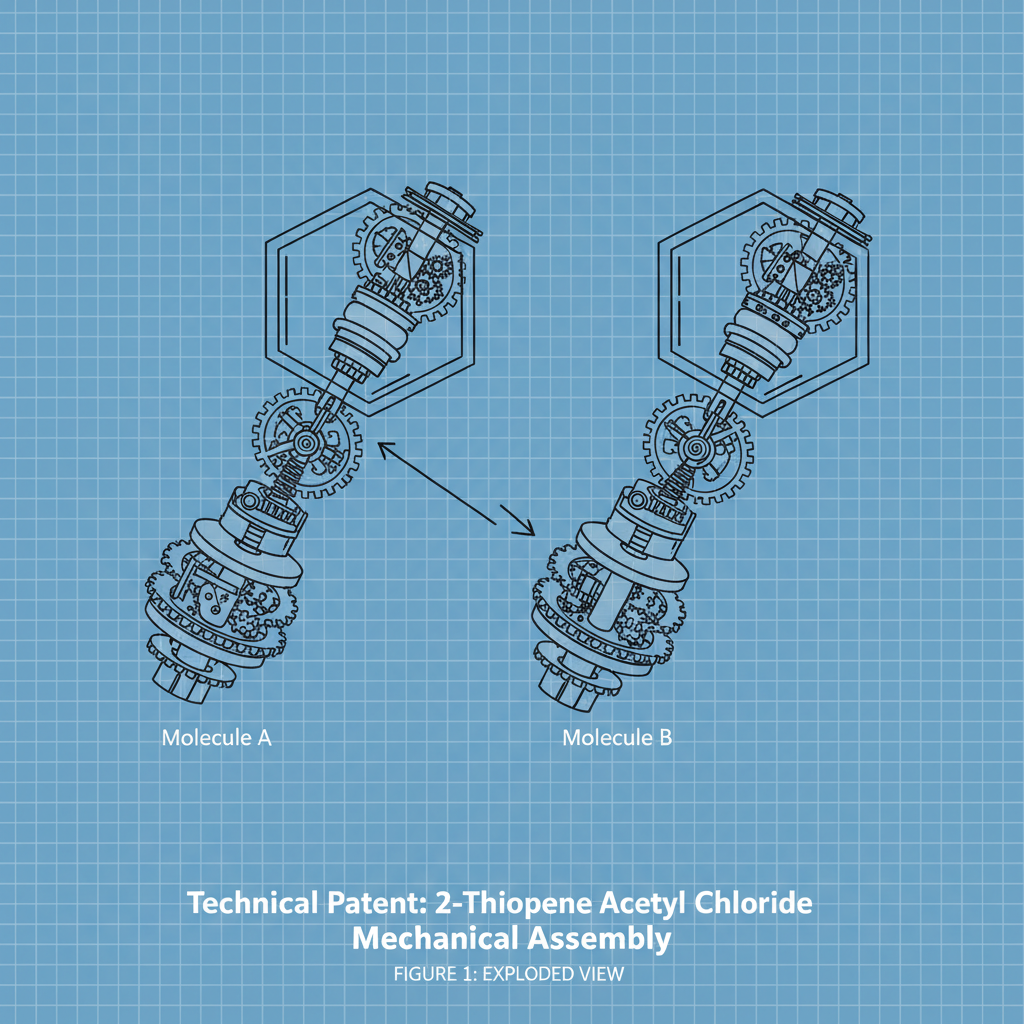
2 Thiophene Acetyl Chloride (CAS Number: 7361-69-7) is an acyl chloride derivative of thiophene. It typically presents as a colorless to pale yellow liquid, though it can darken over time. The compound is highly reactive, particularly with nucleophiles, due to the presence of the acetyl chloride moiety. It's essential to handle it under anhydrous conditions to prevent hydrolysis. Key physical properties include a molecular weight of 172.62 g/mol, and a boiling point of around 80-82°C at 15 mmHg. The density is approximately 1.35 g/cm³ at 25°C. Its solubility is generally good in common organic solvents like dichloromethane, tetrahydrofuran, and toluene, but it reacts violently with water and alcohols.
Key Highlights: Highly reactive acyl chloride; colorless to pale yellow liquid; sensitive to moisture; used extensively in organic synthesis.
The primary application of 2 Thiophene Acetyl Chloride lies in its role as a versatile building block for synthesizing complex organic molecules. It's widely used to introduce the 2-thenoyl group into various compounds via acylation reactions. In the pharmaceutical industry, it serves as an intermediate in the production of thiophene-based drugs and drug candidates. Agrochemical applications include the synthesis of thiophene-containing pesticides and herbicides. Furthermore, it finds use in creating specialty chemicals, dyes, and flavors. The reactivity of the acetyl chloride group allows for reactions with alcohols, amines, and other nucleophiles to form esters, amides, and ketones respectively.
Applications Breakdown:
• Pharmaceutical Intermediates
• Agrochemical Synthesis
• Specialty Chemical Production
• Dye and Flavor Compound Synthesis
Ensuring high purity and quality is paramount when sourcing 2 Thiophene Acetyl Chloride. Leache-Chem provides products adhering to strict quality control measures. Key specifications typically include a purity level of ≥98% (GC), low acid chloride content, and minimal water content. Rigorous testing procedures, such as gas chromatography (GC), Karl Fischer titration (for water content), and acid-base titration (for acid chloride content), are employed to guarantee consistent product quality. The product is generally packaged under an inert atmosphere to maintain its integrity and prevent degradation.
2 Thiophene Acetyl Chloride is a corrosive and moisture-sensitive chemical. It reacts violently with water, releasing hydrochloric acid (HCl). Therefore, handling requires strict adherence to safety protocols. Always wear appropriate personal protective equipment (PPE), including chemical-resistant gloves, safety goggles, and a lab coat. Work in a well-ventilated area, preferably under a fume hood. Avoid contact with skin, eyes, and clothing. In case of contact, immediately flush the affected area with plenty of water and seek medical attention. Storage should be in a tightly sealed container, under an inert atmosphere (e.g., nitrogen or argon), and in a cool, dry place away from incompatible materials.
When sourcing 2 Thiophene Acetyl Chloride, selecting a reliable supplier is critical. Leache-Chem offers consistent quality, competitive pricing, and efficient delivery. Factors to consider include the supplier’s quality control procedures, manufacturing capabilities, and logistical expertise. A robust supply chain ensures timely delivery of the required quantities, minimizing disruptions to your research or production processes. Furthermore, verify the supplier's adherence to environmental and safety regulations.
2 Thiophene Acetyl Chloride remains a crucial chemical intermediate driving innovation in diverse industries. By understanding its properties, applications, and safety considerations, researchers and manufacturers can leverage its potential effectively. Partnering with a reputable supplier like Leache-Chem ensures access to high-quality material and reliable supply chains.
Due to its corrosive nature and reactivity with water, 2 Thiophene Acetyl Chloride must be handled with extreme care. Always wear appropriate PPE, including chemical-resistant gloves, safety goggles, and a lab coat. Work in a well-ventilated area, such as a fume hood, to avoid inhaling fumes. Avoid contact with skin and eyes. Keep the container tightly sealed and store it in a cool, dry place away from incompatible materials. Have emergency response procedures in place in case of spills or exposure.
To prevent degradation, 2 Thiophene Acetyl Chloride should be stored in a tightly sealed container under an inert atmosphere (nitrogen or argon) to exclude moisture. The container should be kept in a cool, dry, and well-ventilated area, protected from direct sunlight and heat sources. Incompatible materials, such as water, alcohols, and strong bases, should be kept separate. Regularly inspect the container for leaks or damage.
In pharmaceutical research, 2 Thiophene Acetyl Chloride serves as a key intermediate in synthesizing thiophene-based compounds with potential therapeutic applications. It's used to introduce the 2-thenoyl group into various molecules, creating building blocks for drug candidates. These compounds are often explored for their activity in areas like anti-inflammatory, antimicrobial, and anticancer research. Its reactivity allows for the creation of complex thiophene derivatives.
Finding a trustworthy supplier is crucial. Leache-Chem is a reputable source for high-quality 2 Thiophene Acetyl Chloride, offering consistent product quality, competitive pricing, and efficient delivery. Consider factors like the supplier's quality control procedures, manufacturing capabilities, and logistical expertise when making your selection.