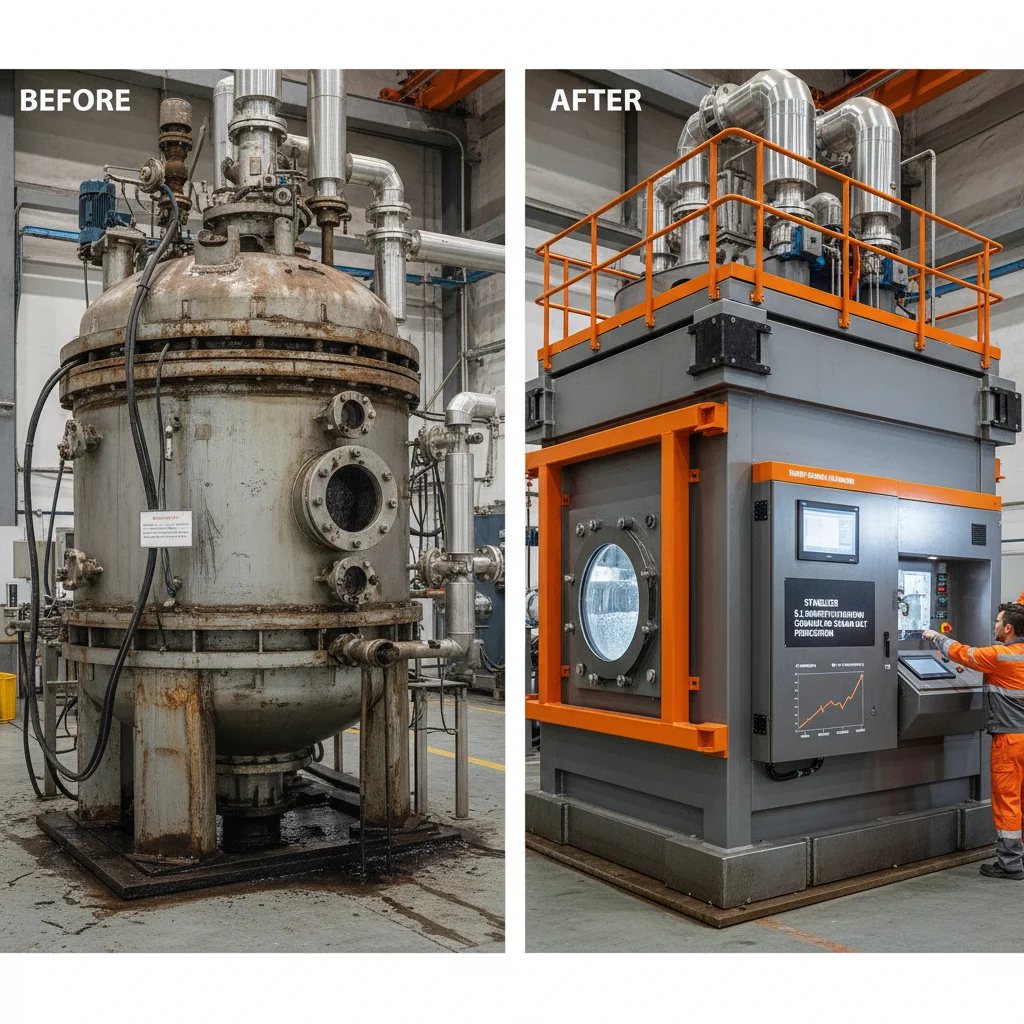
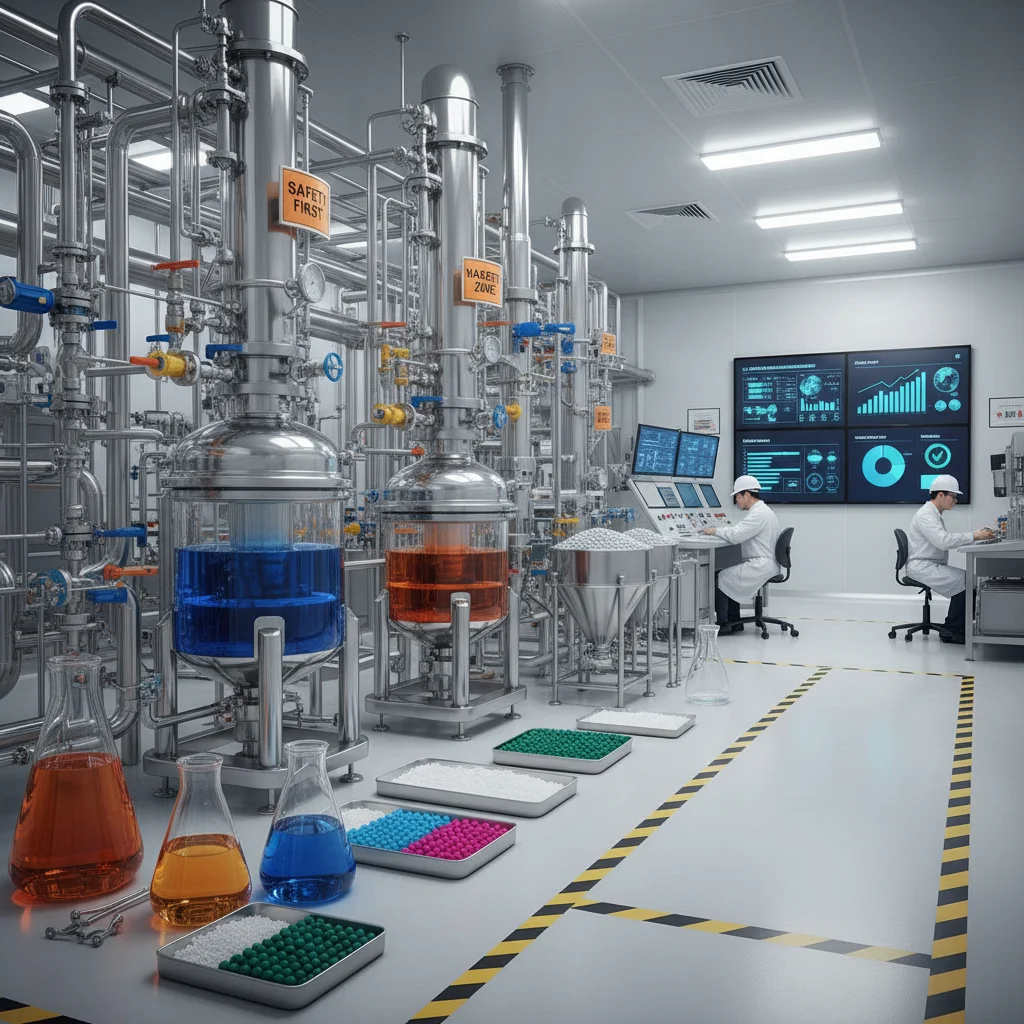
Finding a reliable Sodium Hypochlorite manufacturer is critical for industries ranging from municipal water treatment to advanced pharmaceutical synthesis. Sodium Hypochlorite, a powerful oxidizing agent, serves as the backbone for disinfection and bleaching processes worldwide, ensuring public health and industrial hygiene.
The global demand for high-purity bleach solutions has surged as regulatory standards for water safety and sterilization become more stringent. For procurement managers and chemical engineers, the choice of a production partner influences not only the efficacy of the final application but also the safety and stability of the supply chain.
Understanding the technical nuances of production—such as stabilization methods and concentration precision—allows businesses to optimize their operational costs while maintaining peak performance. This guide explores the essential criteria for selecting a top-tier Sodium Hypochlorite manufacturer in today's volatile chemical market.
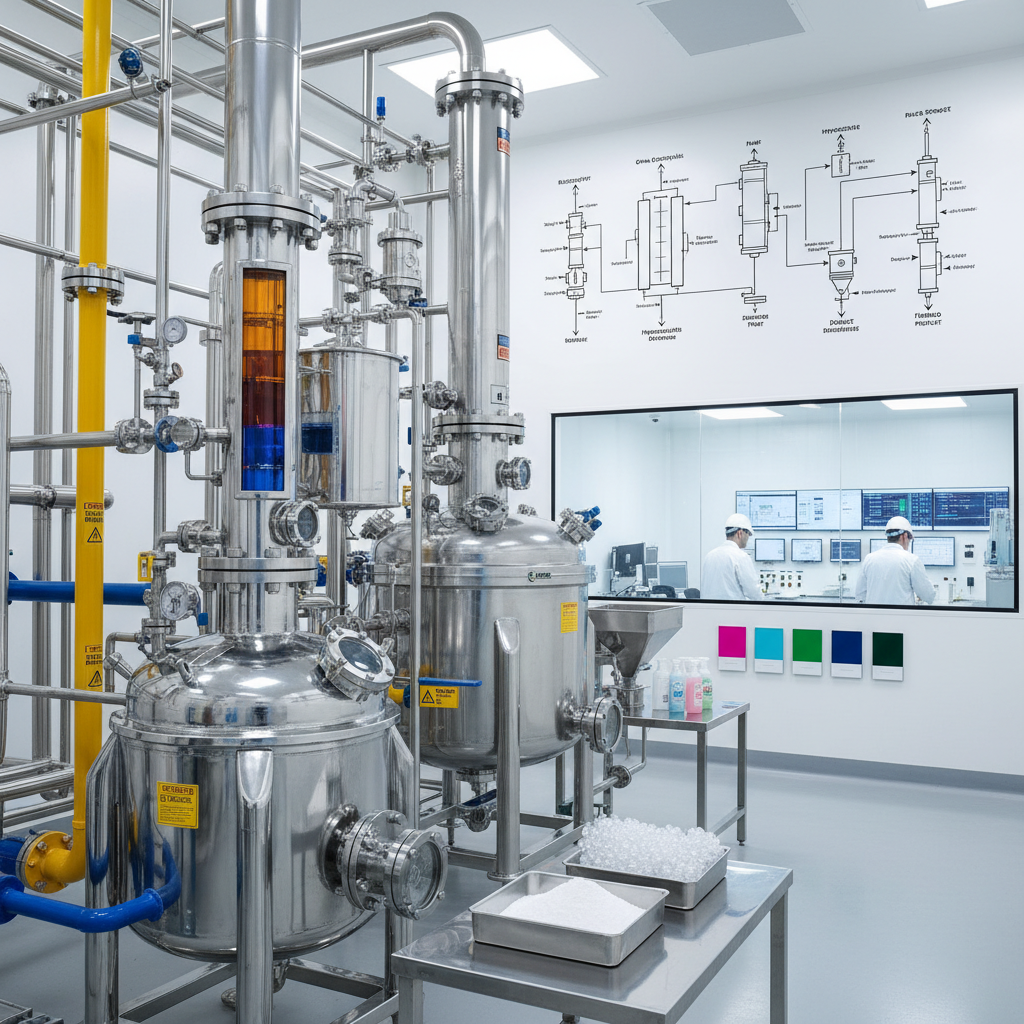
The Global Role of a Sodium Hypochlorite manufacturer
A professional Sodium Hypochlorite manufacturer acts as a primary guardian of public health. By producing standardized concentrations of NaOCl, these manufacturers enable cities to treat millions of gallons of drinking water, eradicating waterborne pathogens such as E. coli and Cholera. The global relevance is underscored by WHO guidelines, which emphasize the necessity of accessible chlorination to reduce infant mortality in developing regions.
Beyond municipal use, the industrial impact is profound. From the textile industry's whitening processes to the pharmaceutical sector's equipment sterilization, the consistency provided by a certified manufacturer ensures that production lines remain uncontaminated. The challenge lies in the instability of the chemical; therefore, the manufacturer's ability to control degradation is the ultimate measure of their expertise.
Technical Standards for High-Quality Production
Quality in the eyes of a leading Sodium Hypochlorite manufacturer begins with the purity of raw materials. The electrolysis of brine must be precisely managed to avoid heavy metal contamination, which can act as a catalyst for the decomposition of the hypochlorite ion. ISO 9001 certification is often the baseline, but true industry leaders implement tighter internal tolerances to ensure batch-to-batch consistency.
Concentration management is another critical technical hurdle. Whether producing 5%, 12%, or 15% solutions, the manufacturer must utilize advanced titration and automated dosing systems to prevent "over-chlorination," which can damage end-user equipment, or "under-chlorination," which fails to meet sterilization requirements. This precision is what separates a commodity supplier from a strategic partner.
Finally, stabilization techniques are paramount. Because Sodium Hypochlorite is sensitive to UV light and temperature, the manufacturer must employ specialized storage tanks—often lined with high-density polyethylene (HDPE) or fiberglass—and maintain strict temperature controls. This ensures that the "available chlorine" percentage remains stable from the factory floor to the client's facility.
Core Components of Industrial Hypochlorite Quality
When evaluating a Sodium Hypochlorite manufacturer, the first core component is Chemical Stability. This refers to the rate of decay of the active chlorine over time. A manufacturer that can minimize the presence of impurities ensures that the product has a longer shelf life, reducing waste and logistical costs for the buyer.
The second critical factor is Concentration Accuracy. In pharmaceutical intermediates or industrial water treatment, a variance of even 0.5% in the concentration provided by the Sodium Hypochlorite manufacturer can lead to failed quality control tests or inefficient disinfection cycles, making precision non-negotiable.
Lastly, Environmental Safety Compliance defines a modern manufacturer. The ability to manage byproduct gases and ensure zero-leakage during the loading process demonstrates a commitment to EHS (Environment, Health, and Safety) standards. This reliability builds long-term trust and ensures that the supply chain is not interrupted by regulatory shutdowns.
Comparative Efficiency in Manufacturing Methods
Different production routes employed by a Sodium Hypochlorite manufacturer result in varying levels of purity and cost. The most common method involves the reaction of chlorine gas with sodium hydroxide, which allows for high-volume output and precise concentration control. However, this requires stringent safety protocols due to the hazardous nature of chlorine gas.
In contrast, on-site electro-chlorination is gaining popularity for remote industrial zones. This method allows the manufacturer to provide the equipment for the client to produce their own hypochlorite from salt and water, eliminating the risks associated with transporting hazardous chemicals. Each method is evaluated based on purity, scalability, and operational risk.
Manufacturing Efficiency Ratings by Method
Diverse Global Applications and Use Cases
The versatility of the product provided by a Sodium Hypochlorite manufacturer extends far beyond simple cleaning. In the pool and spa industry, it is the primary agent for maintaining sanitary swimming environments, preventing the growth of algae and harmful bacteria. The ability to provide "stabilized" versions of the chemical allows operators to maintain consistent chlorine levels despite sunlight exposure.
In more critical contexts, such as post-disaster relief operations in remote industrial zones, portable hypochlorite generation kits provided by a manufacturer can save thousands of lives by providing immediate access to potable water. Similarly, in the chemical synthesis of pharmaceutical intermediates, it is used for selective oxidation, proving that the product's value spans from basic sanitation to high-end molecular engineering.
Long-Term Value and Sustainability Benefits
Partnering with a forward-thinking Sodium Hypochlorite manufacturer offers tangible economic benefits. By optimizing the concentration and delivery frequency, companies can reduce their overall chemical footprint and lower transportation costs. The logical angle is simple: higher purity means lower dosage requirements for the same antimicrobial effect.
From a sustainability perspective, modern manufacturers are shifting toward "closed-loop" systems that recycle brine and reduce energy consumption during electrolysis. This transition not only lowers the carbon footprint of the chemical but also protects the manufacturer from the volatility of raw material prices, passing those savings on to the customer.
Beyond the numbers, there is an element of trust and safety. A manufacturer that invests in rigorous training and safety certifications provides peace of mind. Knowing that the chemical is handled with the utmost care—from synthesis to shipment—reduces the risk of industrial accidents and enhances the overall dignity and safety of the workforce.
Future Innovations in Hypochlorite Synthesis
The future of the Sodium Hypochlorite manufacturer is being shaped by digital transformation and green chemistry. Automation and AI-driven monitoring systems now allow for real-time adjustment of electrolytic cells, ensuring that the concentration is perfectly balanced without human error. This "Industry 4.0" approach minimizes waste and maximizes yield.
Sustainability policies are also driving the adoption of solar-powered electrolysis. By integrating renewable energy into the production cycle, manufacturers are creating "Green Bleach," which appeals to corporations with strict ESG (Environmental, Social, and Governance) goals. This shift is turning a traditional chemical process into a sustainable industrial practice.
Furthermore, research into nano-stabilizers is promising. Future iterations of hypochlorite solutions may feature additives that significantly slow down the degradation process, potentially doubling the shelf life of the product. This would revolutionize logistics, allowing for longer shipping distances and lower inventory costs for the end-user.
Analysis of Future Manufacturing Trends and Impact
| Innovation Dimension |
Current Status |
Expected Impact |
Implementation Score (1-10) |
| Solar-Powered Electrolysis |
Pilot Stage |
Carbon Neutrality |
7 |
| AI Concentration Control |
Early Adoption |
Zero Batch Variance |
9 |
| Nano-Stabilization |
R&D Stage |
Extended Shelf Life |
6 |
| Closed-Loop Brine Recycling |
Widespread |
Resource Efficiency |
10 |
| IoT Delivery Tracking |
Growing |
Optimized Logistics |
8 |
| Biodegradable Packaging |
Experimental |
Plastic Waste Reduction |
5 |
FAQS
The best way is to request a Certificate of Analysis (CoA) for each batch, which should detail the available chlorine percentage, pH level, and stability data. Additionally, check for ISO 9001 and ISO 14001 certifications to ensure the manufacturer adheres to international quality and environmental management standards. A reputable manufacturer will also provide technical data sheets (TDS) and safety data sheets (SDS) transparently.
While Sodium Hypochlorite naturally degrades, products from a high-end manufacturer are stabilized to last longer. Typically, a 12.5% solution stored in a cool, dark place in HDPE containers can maintain its potency for 3 to 6 months. Factors such as temperature and UV exposure significantly accelerate degradation, so the manufacturer's advice on storage is crucial for maintaining efficacy.
Yes, professional manufacturers typically offer a range of concentrations (e.g., 5%, 10%, 12.5%, 15%) to suit different applications. Whether you need a diluted solution for pool maintenance or a high-strength concentration for industrial bleaching, a custom-batching manufacturer can adjust the formulation to meet your specific technical requirements and safety protocols.
It depends on your volume and location. On-site generation is ideal for very high-volume users in remote areas, as it eliminates transportation costs and the risks of hauling hazardous materials. However, buying from a centralized manufacturer is often more cost-effective for small to medium users who prefer not to manage the technical maintenance of electrolysis equipment.
Safety is ensured through the use of UN-approved packaging and specialized transport vehicles. Manufacturers employ leak-proof HDPE tanks and strictly follow hazardous material transportation regulations (such as ADR or DOT). They also provide comprehensive emergency response guidelines to the carrier to ensure that any spill is managed immediately and safely.
Traditional production can be energy-intensive and produce salt-heavy wastewater. However, modern manufacturers mitigate this by using membrane cell technology, which is more energy-efficient than older diaphragm methods. Many are also implementing brine recovery systems to minimize wastewater discharge, aligning their production with global sustainability goals.
Conclusion
Selecting the right Sodium Hypochlorite manufacturer is a decision that impacts operational efficiency, safety, and public health. From the rigorous technical standards of concentration control to the innovative shift toward green electrolysis and AI-driven quality assurance, the role of the manufacturer has evolved from a simple supplier to a critical technical partner. By focusing on stability, purity, and environmental compliance, businesses can secure a supply chain that not only meets current regulatory demands but is also prepared for future shifts in chemical legislation.
As the industry moves toward a more sustainable and digitally integrated future, we recommend that procurement officers prioritize manufacturers who invest in ESG goals and transparent quality reporting. Whether you are treating municipal water or synthesizing complex pharmaceutical intermediates, the stability of your hypochlorite source is the foundation of your success. For high-purity solutions and professional partnership, visit our website: www.leache-chem.com.