Email:
info@leachechem.com

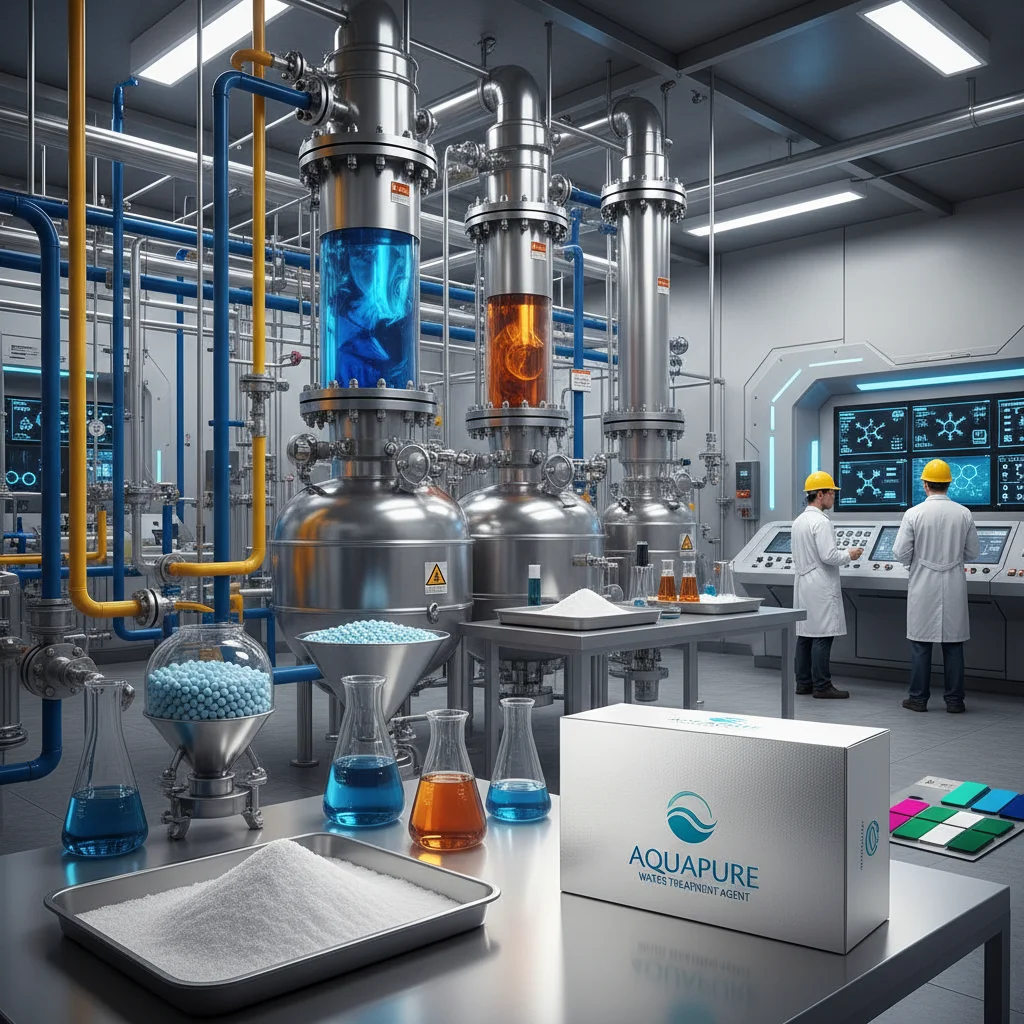
In the world of water treatment and chemical synthesis, finding a reliable Cyanuric Acid factory is essential for ensuring product purity and supply chain stability. Cyanuric acid serves as a critical stabilizer for chlorine in swimming pools and as a precursor for various disinfectants and resins. Whether you are a large-scale distributor or an industrial end-user, the quality of the raw material directly impacts the efficiency of your final application. This guide will explore the technical nuances of production, quality benchmarks, and how to identify a manufacturing partner that meets international safety and environmental standards.
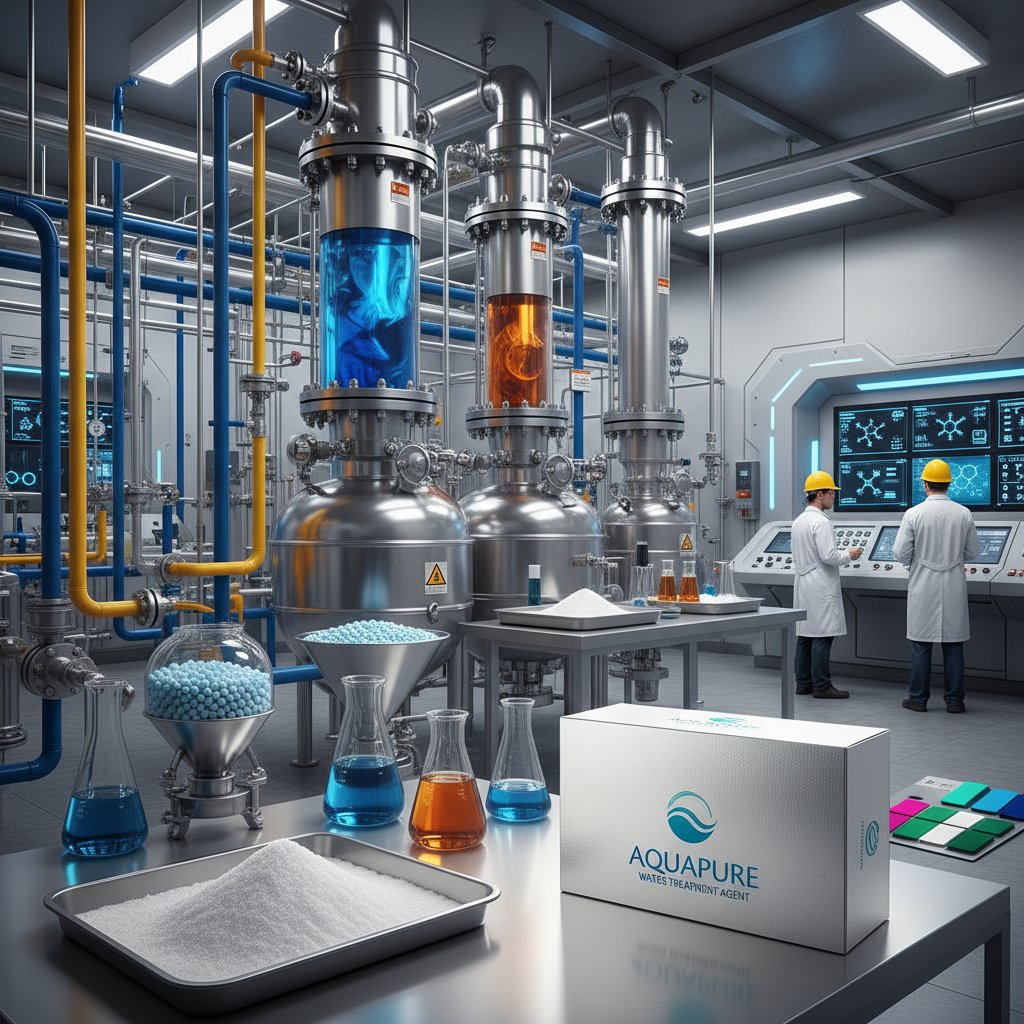
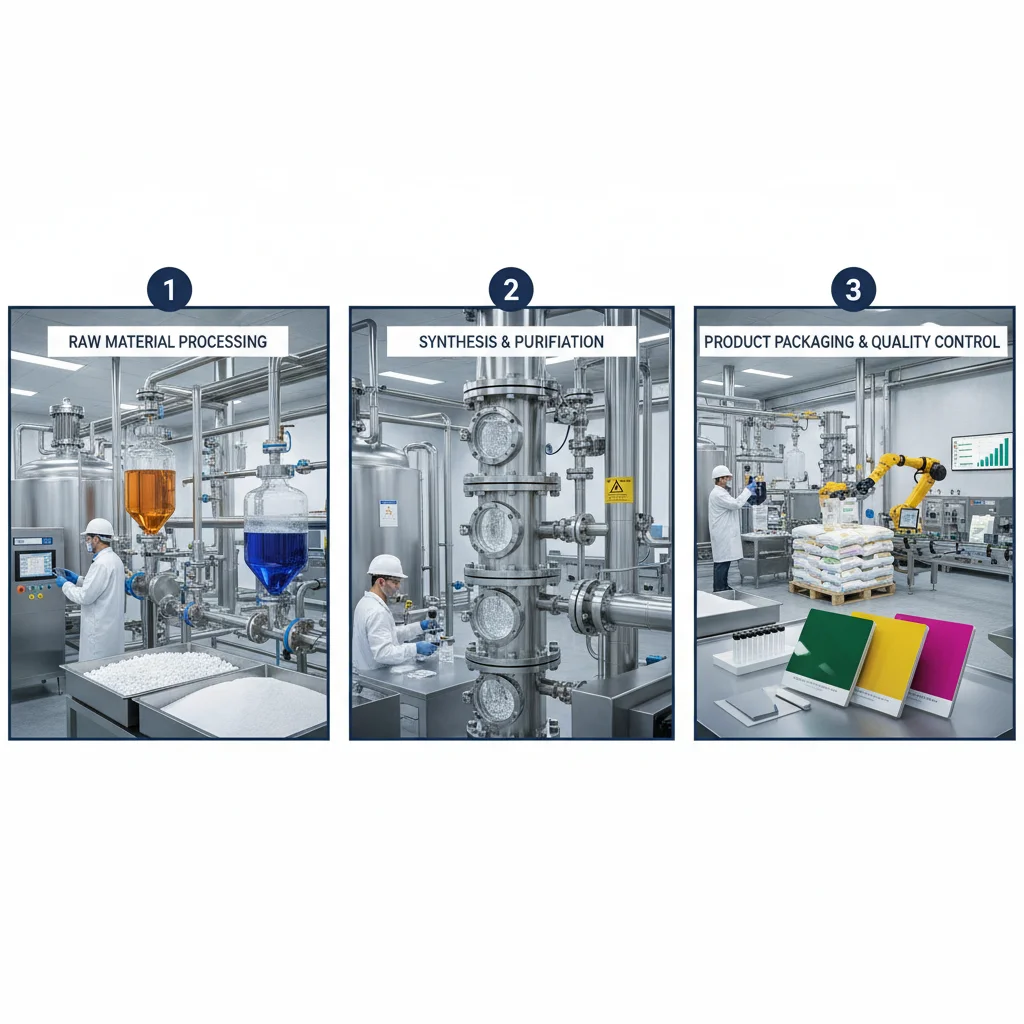
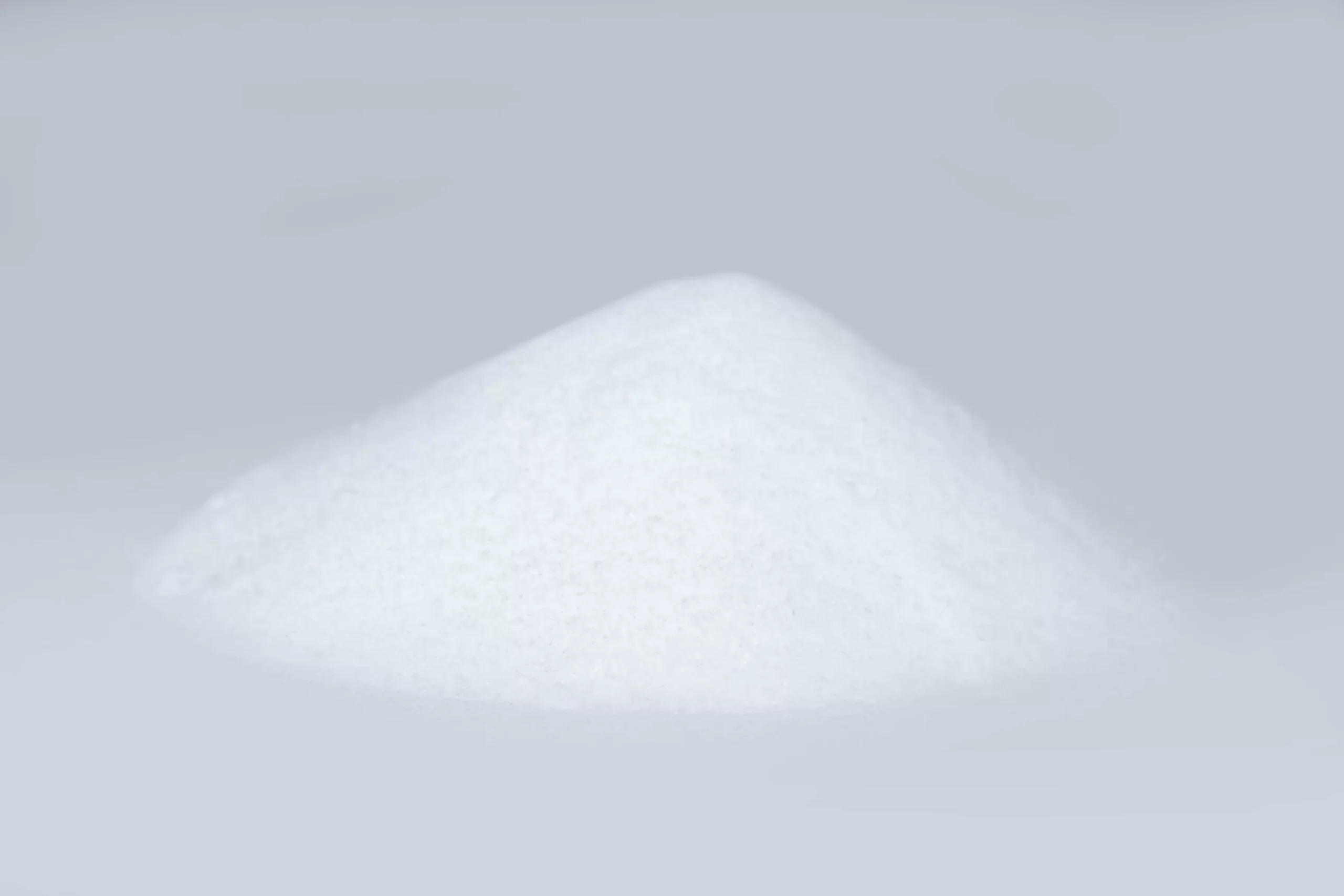
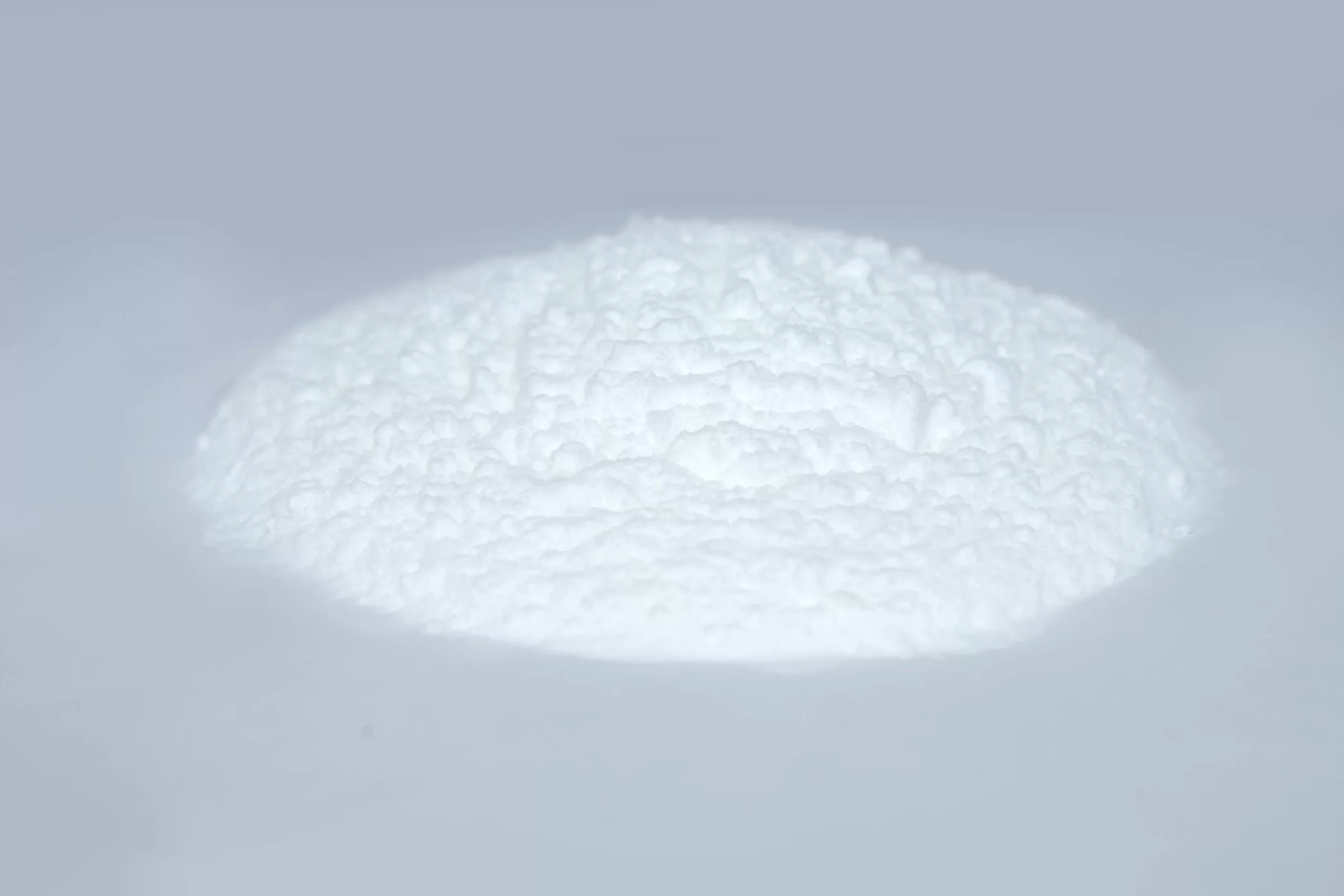
A professional Cyanuric Acid factory utilizes advanced thermal decomposition of urea to synthesize the product. The process requires precise temperature control and pressure management to maximize yield while minimizing impurities. Modern facilities have transitioned toward automated closed-loop systems that reduce human error and environmental emissions. By optimizing the catalyst and reaction time, factories can produce high-purity granules or powder that dissolve efficiently in water, which is a critical requirement for pool maintenance chemicals.
Industry Insight: High-grade production typically focuses on minimizing the presence of ammelide and ammeline, the two primary by-products that can affect the solubility and effectiveness of the chemical.
Consistency is the hallmark of a premium manufacturer. When sourcing from a Cyanuric Acid factory, it is vital to review the Certificate of Analysis (CoA) to ensure the product meets your specific industrial grade. Most global buyers look for a purity level of 98.5% or higher. Below is a standard specification table typically provided by leading manufacturers to ensure transparency and quality control.
The primary use of the product from a Cyanuric Acid factory is as a conditioner for swimming pools. By acting as a "sunscreen" for chlorine, it prevents the rapid degradation of hypochlorite caused by UV rays, thereby reducing the amount of chlorine needed for sanitation. Beyond pools, it is a key raw material for the production of chlorinated isocyanurates (such as TCCA and SDIC), which are widely used in industrial bleach and wastewater treatment. The ability to source pure, consistent material ensures that these derivatives perform reliably in the field.
Not all products leaving a Cyanuric Acid factory are the same. Industrial grade is often sufficient for large-scale synthesis of other chemicals, whereas technical or high-purity grades are required for direct consumer applications like pool stabilizers. The difference lies primarily in the refinement process and the strictness of the impurity thresholds. Choosing the wrong grade can lead to precipitation issues or inefficient stabilization in water systems.
Modern chemical manufacturing is under intense scrutiny regarding its carbon footprint and waste management. A responsible Cyanuric Acid factory must implement rigorous effluent treatment plants (ETP) to handle ammonia-rich wastewater. By adopting green chemistry principles, such as recycling heat from the urea decomposition process, factories can reduce energy consumption significantly. When auditing a supplier, always inquire about their ISO certifications and adherence to local environmental laws to ensure your supply chain is ethical and sustainable.
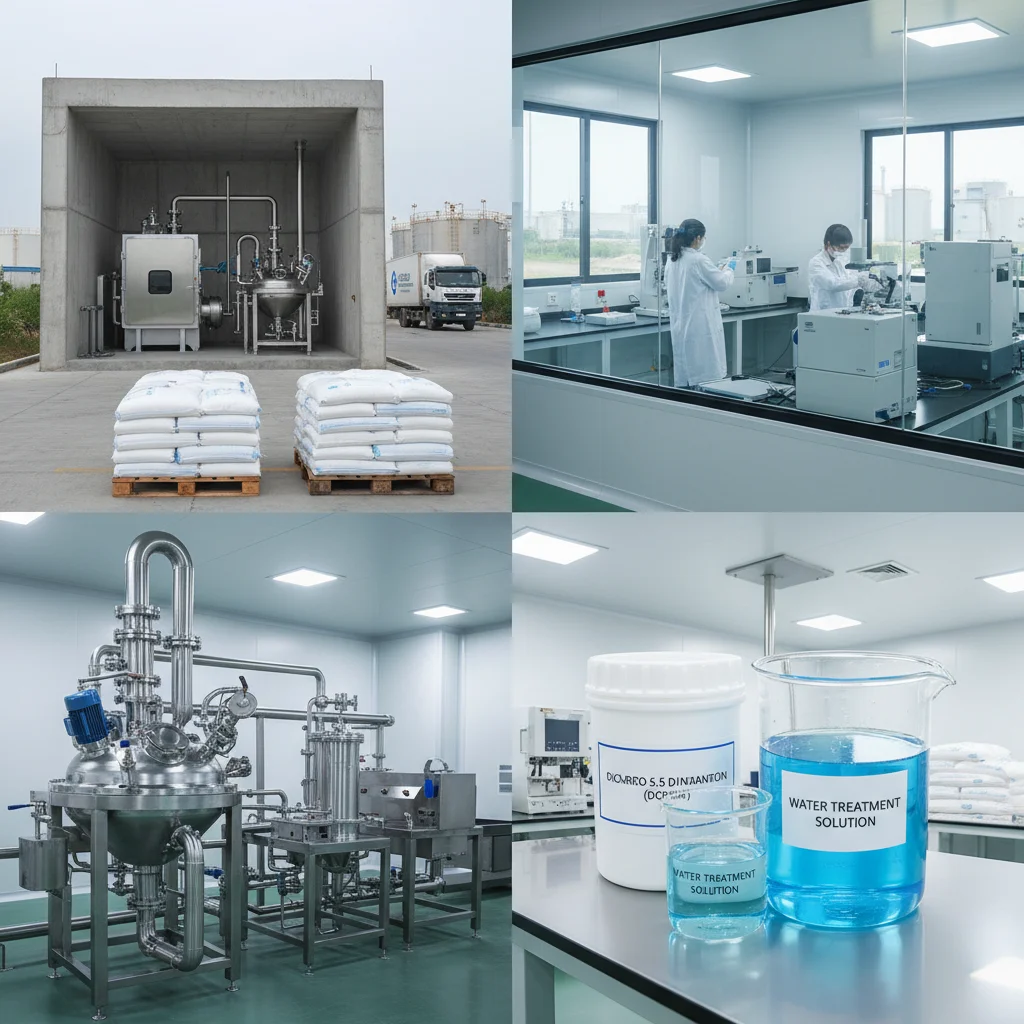
Because cyanuric acid is often shipped in bulk, packaging and moisture protection are critical. A leading Cyanuric Acid factory provides various packaging options, from 25kg bags to 1000kg jumbo bags, all lined with moisture-proof PE films. Strategic location near major ports also reduces transit times and costs for international buyers. Efficient logistics management ensures that the product arrives without clumping, maintaining the flowability required for automated dosing systems in water treatment plants.
Selecting the right Cyanuric Acid factory is about more than just the lowest price; it is about quality assurance, technical support, and environmental responsibility. By focusing on purity levels, production technology, and supply chain reliability, businesses can ensure they receive a product that enhances their operational efficiency. Whether for pool stabilization or industrial synthesis, a partnership with a transparent and certified manufacturer is the key to long-term success.
Purity is maintained through a combination of precise temperature control during the urea decomposition phase and rigorous post-production purification steps. A professional factory employs in-house laboratories equipped with HPLC (High-Performance Liquid Chromatography) and titration tools to test every batch. By strictly controlling the raw material quality and the reaction parameters, they can eliminate unwanted by-products like ammelide, ensuring the final product meets the ≥98.5% purity standard required for most industrial applications.
Cyanuric acid is relatively stable, but it must be stored in a cool, dry, and well-ventilated area. Because it can be sensitive to moisture (which may cause clumping), it should be kept in its original sealed packaging. A professional Cyanuric Acid factory usually recommends storing the product away from strong oxidizing agents and acids to prevent any unwanted chemical reactions. Proper palletizing and avoiding direct contact with damp floors are also essential for maintaining product integrity during long-term storage.
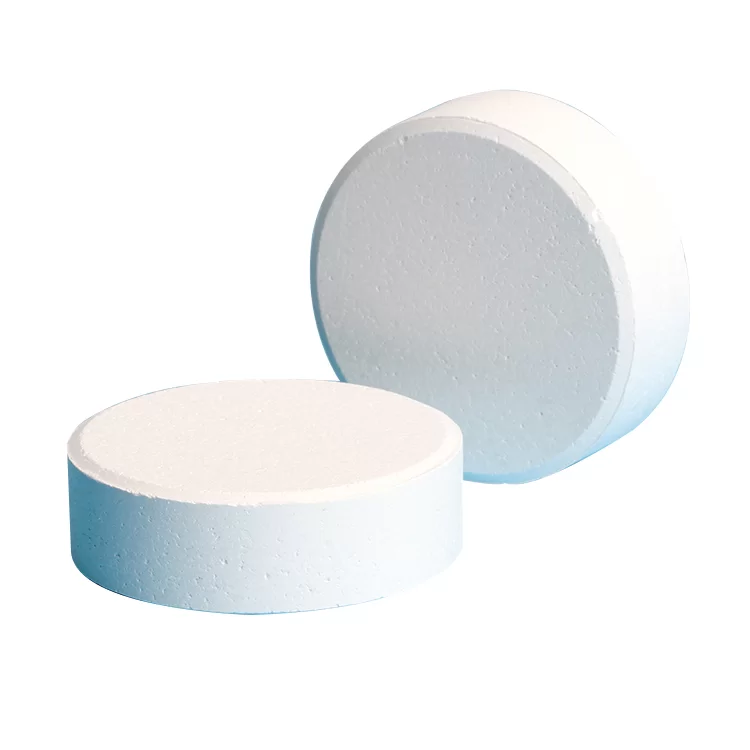
Yes, most advanced factories offer customization regarding the physical form of the chemical. Depending on your application—whether it is for slow-release tablets, rapid-dissolve powders, or industrial granules—the factory can adjust the milling and granulation process. For instance, pool stabilizer applications often require a specific granule size to ensure consistent dissolution rates. It is recommended to communicate your exact mesh requirements to the manufacturer during the quoting process to ensure the product integrates seamlessly with your dosing equipment.
Cyanuric acid is generally classified as non-hazardous for transport according to IMDG, IATA, and ADR regulations. However, it is still a chemical product that requires proper documentation, including a Material Safety Data Sheet (MSDS) and a clear label. A reputable Cyanuric Acid factory will provide all necessary compliance documents to facilitate smooth customs clearance and ensure safe handling by logistics providers across international borders.