CalciumHypochlorite supplier. It's not just a chemical compound; it's the backbone of clean water and safe sanitation, especially in challenging environments. For years, I've seen firsthand the impact a reliable supply of this stuff has – from keeping municipal water systems running smoothly to providing emergency disinfection after natural disasters. It's a surprisingly unglamorous product that quietly safeguards public health, and finding a CalciumHypochlorite supplier you can truly trust is critical. It's about more than just specs on a sheet; it’s about consistent quality, dependable delivery, and knowing your supplier understands the real-world challenges of using this product.
The global demand for effective water purification is only going to increase. Climate change is exacerbating water scarcity in many regions, and population growth is putting a strain on existing infrastructure. That's why the role of a dependable CalciumHypochlorite supplier is becoming even more vital. We're not just talking about large-scale municipal treatment; think about remote communities, disaster relief, and even swimming pool sanitation – the applications are incredibly diverse. A good CalciumHypochlorite supplier isn't just selling a product; they're contributing to a more sustainable and healthier future.
From a practical standpoint, I've spent countless hours coordinating deliveries to construction sites, ensuring proper storage, and troubleshooting issues with onsite water treatment. What I’ve learned is that the best CalciumHypochlorite supplier doesn’t just ship you the product; they provide support, expertise, and a genuine understanding of the logistics involved. It’s a partner relationship, not a simple transaction. And honestly, that's where CalciumHypochlorite supplier consistently stands out.
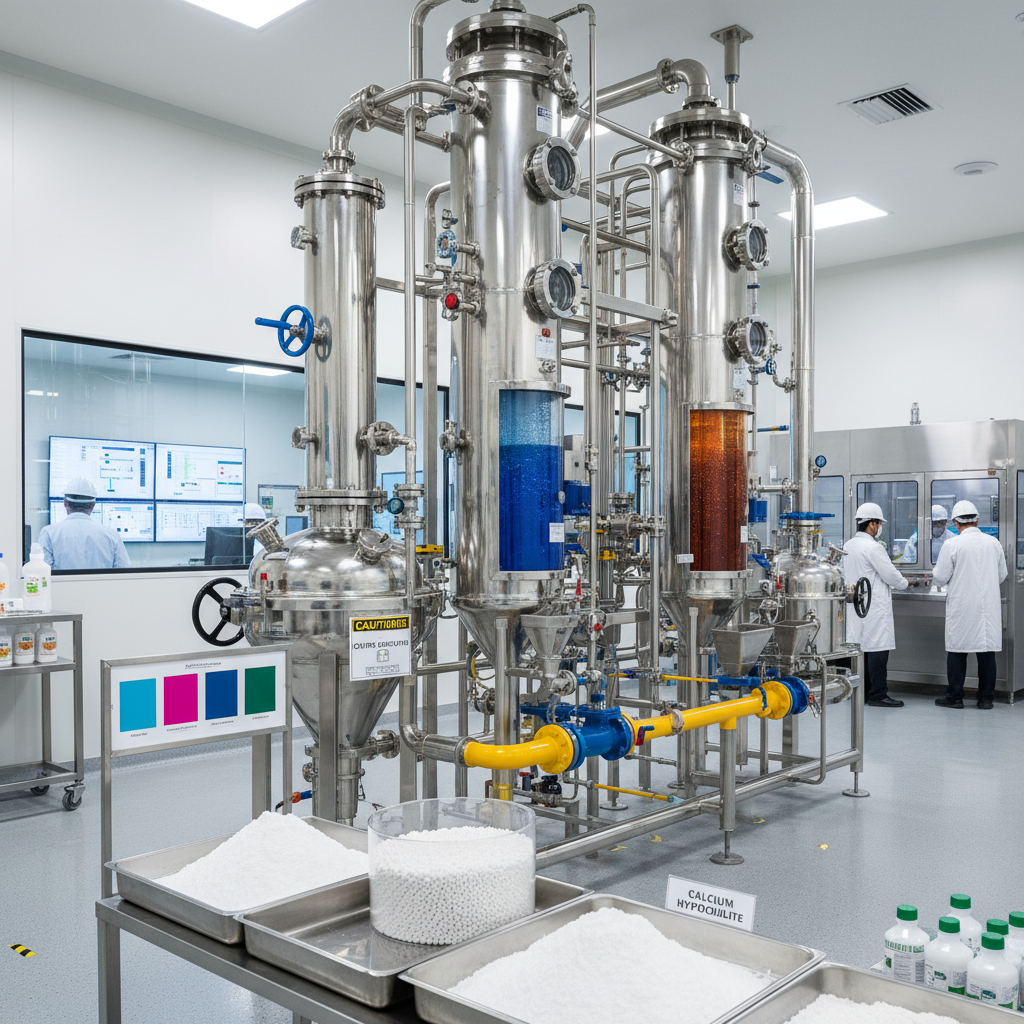
The Global Significance of CalciumHypochlorite supplier
The need for reliable disinfection is a worldwide concern. According to the UN, billions of people lack access to safely managed drinking water. This isn't just a developing world problem; aging infrastructure in developed nations is also creating vulnerabilities. CalciumHypochlorite supplier plays a critical role in bridging this gap, providing a cost-effective and readily available solution for water treatment. The World Health Organization (WHO) emphasizes the importance of chlorine-based disinfection for eliminating waterborne pathogens, and CalciumHypochlorite is a key source of available chlorine. It’s a real-world solution to a very serious global issue.
We’ve seen increasing demand, particularly in response to emergencies and rapidly growing urban areas. The ISO standards for water quality are becoming more stringent, and suppliers need to be able to meet those demands consistently. The challenge isn't just producing enough CalciumHypochlorite; it’s ensuring it's consistently high-quality, properly packaged, and delivered safely, especially to remote or disaster-stricken areas. That’s where the experience and reliability of a CalciumHypochlorite supplier truly matter.
Defining CalciumHypochlorite supplier
Simply put, a CalciumHypochlorite supplier is a company that manufactures, distributes, and often provides support services related to CalciumHypochlorite (Ca(ClO)₂). But it’s more nuanced than that. A good CalciumHypochlorite supplier doesn’t just sell a commodity; they offer a tailored solution. That means understanding your specific application – municipal water treatment, swimming pool sanitation, industrial wastewater management, or emergency disinfection – and providing the appropriate grade, packaging, and delivery schedule.
This connects directly to modern industry needs. Increasingly, industries are looking for suppliers who can integrate seamlessly into their supply chains, offering features like just-in-time delivery, inventory management, and technical support. For humanitarian applications, a supplier's ability to quickly mobilize and deliver product to disaster areas can be life-saving. It’s not just about the chemical itself; it’s about the entire logistical network and the responsiveness of the supplier.
Essentially, a responsible CalciumHypochlorite supplier prioritizes safety, quality, and reliability. They adhere to strict regulatory standards, provide clear safety data sheets (SDS), and have robust quality control procedures in place. It's a critical distinction, because the consequences of using substandard or improperly handled CalciumHypochlorite can be severe.
Key Factors in Selecting a CalciumHypochlorite supplier
When I'm vetting a CalciumHypochlorite supplier, there are several key things I look for. First, consistency of quality is paramount. You need to know that every batch meets the required specifications. Second, supply chain resilience is crucial. Can the supplier handle disruptions, like transportation issues or raw material shortages? Third, technical support is invaluable. Do they have experts who can answer your questions and help you troubleshoot problems?
Fourth, packaging and labeling must be compliant with all relevant regulations. Improper packaging can lead to leaks, spills, and safety hazards. Fifth, competitive pricing is important, but it shouldn't come at the expense of quality or service. Finally, regulatory compliance – ensuring the supplier adheres to all applicable environmental and safety standards – is non-negotiable. A CalciumHypochlorite supplier that cuts corners on compliance is a red flag.
These factors are all interconnected. A supplier that prioritizes quality and compliance is more likely to have a resilient supply chain and provide excellent technical support. It’s about finding a partner who understands the bigger picture and is committed to delivering a safe, reliable, and cost-effective solution.
Global Applications and Diverse Use Cases
The applications of CalciumHypochlorite are incredibly broad. In municipal water treatment plants, it’s used for primary disinfection, ensuring safe drinking water for millions. Swimming pool sanitation is another massive market, keeping recreational waters clean and healthy. But it doesn’t stop there.
In post-disaster relief operations, CalciumHypochlorite is a critical tool for preventing the spread of waterborne diseases. Emergency response teams rely on it to quickly disinfect water sources in affected areas. I’ve seen it deployed in remote villages in Africa, providing access to clean water where none existed before. And in industrial settings, it's used for wastewater treatment, controlling algae growth, and other specialized applications.
Even in remote industrial zones, like mining operations in Australia or oil rigs in the Gulf of Mexico, a reliable CalciumHypochlorite supplier is essential for maintaining safe water supplies. The diversity of these applications underscores the importance of choosing a supplier that can meet a wide range of needs and logistical challenges.
CalciumHypochlorite supplier Application Areas
Advantages and Long-Term Value Proposition
The tangible benefits of using CalciumHypochlorite are clear: it’s a highly effective disinfectant, relatively inexpensive, and readily available. But the long-term value extends far beyond those immediate advantages. Investing in a reliable supply of CalciumHypochlorite translates to improved public health, reduced healthcare costs, and increased productivity. It’s a preventative measure that pays dividends down the line.
From a sustainability standpoint, CalciumHypochlorite, when used responsibly, can help protect water resources and prevent the spread of waterborne diseases, contributing to a healthier environment. Choosing a CalciumHypochlorite supplier committed to responsible manufacturing practices further enhances that value. And from a social impact perspective, ensuring access to clean water is a fundamental human right, and a dependable CalciumHypochlorite supplier plays a vital role in making that a reality.
Future Trends and Innovations in CalciumHypochlorite supplier
We’re seeing a growing focus on sustainable production methods, with suppliers exploring ways to reduce their environmental footprint. There’s also increasing interest in automated dosing systems, which can improve efficiency and reduce the risk of human error. And digital technologies, like real-time monitoring of water quality, are becoming more prevalent.
I think we’ll also see a greater emphasis on packaging innovation, with suppliers developing more eco-friendly and easy-to-handle containers. Ultimately, the goal is to make CalciumHypochlorite even more effective, efficient, and sustainable. This ties directly into the wider push for green chemistry and circular economy principles.
Challenges and Solutions in CalciumHypochlorite supplier
One of the biggest challenges is maintaining consistent quality during transportation and storage. CalciumHypochlorite can degrade over time if exposed to moisture or heat. That’s why proper packaging and handling are so critical. Another challenge is ensuring a reliable supply chain, especially in times of geopolitical instability or natural disasters.
The solutions involve diversifying sourcing, building strategic partnerships, and investing in robust inventory management systems. We're also seeing suppliers offering customized packaging solutions to meet the specific needs of different customers. And ongoing research is focused on developing more stable formulations of CalciumHypochlorite that are less susceptible to degradation.
Ultimately, addressing these challenges requires collaboration between suppliers, customers, and regulatory agencies. It’s about creating a more resilient and sustainable supply chain that can meet the growing demand for clean water and sanitation around the world.
Summary of Key Challenges and Solutions in CalciumHypochlorite supplier
| Challenge |
Impact on Supply Chain |
Potential Solution |
Implementation Cost (1-10) |
| Degradation during transport |
Reduced efficacy, product waste |
Improved packaging materials, temperature control |
6 |
| Supply Chain Disruptions |
Shortages, price increases |
Diversified sourcing, strategic partnerships |
8 |
| Regulatory Compliance |
Fines, production delays |
Robust quality control systems, regular audits |
7 |
| Raw Material Availability |
Production bottlenecks, increased costs |
Long-term supply contracts, alternative sourcing |
5 |
| Logistics to Remote Areas |
Delivery delays, increased transportation costs |
Strategic warehousing, optimized routing |
9 |
| Maintaining Product Stability |
Reduced shelf life, compromised performance |
Improved formulation, controlled storage conditions |
4 |
FAQS
The shelf life of Calcium Hypochlorite varies depending on packaging and storage conditions, but generally ranges from 6 months to 2 years. It should be stored in a cool, dry, well-ventilated area, away from direct sunlight, heat sources, and incompatible materials like organic matter. Proper storage is crucial to maintain its efficacy and prevent degradation. Always check the manufacturer's recommendations on the product label.
Calcium Hypochlorite is a strong oxidizer and can cause irritation to skin, eyes, and respiratory system. Always wear appropriate personal protective equipment (PPE) – gloves, safety glasses, and a respirator if dust is present – when handling the product. Avoid mixing it with other chemicals, especially acids, as this can release dangerous chlorine gas. Read the Safety Data Sheet (SDS) carefully before use and follow all safety instructions.
Calcium Hypochlorite is a cost-effective and readily available disinfection method, particularly useful in situations where UV or ozone systems are not feasible. UV and ozone are effective but require significant infrastructure and energy. Calcium Hypochlorite provides a residual disinfectant effect, meaning it continues to kill bacteria even after initial application, unlike UV. However, it can produce disinfection byproducts (DBPs) that need to be monitored.
The appropriate dosage depends on the water source, the level of contamination, and the desired disinfection level. It's crucial to perform water quality testing to determine the initial chlorine demand. Generally, a concentration of 1-3 ppm (parts per million) is sufficient for drinking water disinfection, but consult with a water treatment specialist for specific recommendations.
Yes, Calcium Hypochlorite is a common disinfectant for swimming pools. It effectively kills bacteria and algae, keeping the water clean and safe. However, it can increase the calcium hardness of the water, so regular testing and balancing are essential. Follow the manufacturer’s instructions for proper dosage and maintenance.
While Calcium Hypochlorite is effective, it can form disinfection byproducts (DBPs) when it reacts with organic matter in the water. These DBPs can have potential health effects. Responsible suppliers and users minimize DBP formation by optimizing dosage and removing organic matter before disinfection. Proper disposal of unused Calcium Hypochlorite is also important to prevent environmental contamination.
Conclusion
In closing, a dependable CalciumHypochlorite supplier is far more than just a vendor; they are a critical partner in safeguarding public health and ensuring access to clean water. From municipal treatment plants to emergency response scenarios, the consistent quality, reliable delivery, and technical expertise of a supplier like CalciumHypochlorite supplier are invaluable. It’s about understanding the real-world challenges and providing solutions that are both effective and sustainable.
Looking ahead, the demand for CalciumHypochlorite will only continue to grow. Investing in strong supplier relationships, embracing innovative technologies, and prioritizing responsible manufacturing practices are essential steps to meet this demand and ensure a healthier future for all. Don’t just buy a chemical; partner with a supplier who understands the weight of their responsibility. Visit our website: www.leache-chem.com